
From CBAM Pressure to Competitive Advantage
A Practical Industry Roundtable on CBAM, Trade Readiness, Asian and ASEAN Exporter Adaptation, Circular Manufacturing, and Industrial Symbiosis
CBAM policy insight, UK trade readiness, Asian and ASEAN exporter perspectives, and practical response pathways
The roundtable brings together policy, trade, academic, and industry-facing perspectives to examine CBAM not only as a compliance issue, but as a driver of supplier readiness, circular manufacturing, resource efficiency, industrial collaboration, and competitiveness.
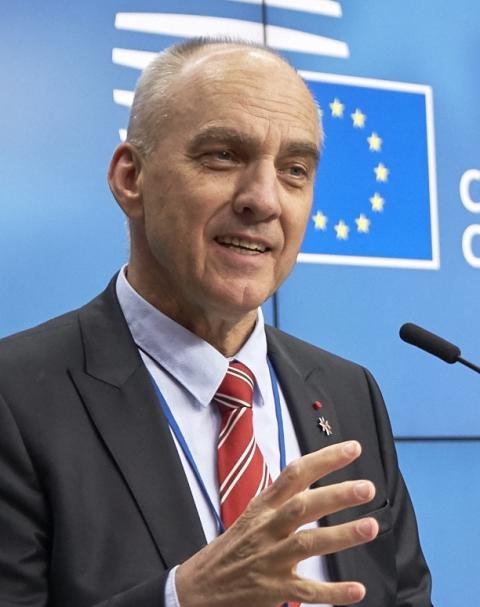
Dr. Jarosław Pietras
Former Director General, Council of the European Union · Former Secretary of State for Europe and Secretary of State in the Polish Ministry of Finance
Dr. Jarosław Pietras served as Director General in the Council of the European Union from 2008 to 2020, covering major policy areas relevant to climate, environment, energy, transport, and European sustainability policy. He also held senior positions in consecutive Polish Governments, including Secretary of State for Europe and Secretary of State in the Ministry of Finance.
His contribution will provide a high-level EU policy perspective on CBAM, climate-related regulation, trade implications, and what exporters to European markets need to understand as sustainability requirements become more closely linked to competitiveness.

Mitch Perks
Deputy Director of Trade Services, British Chambers of Commerce · Customs Strategy, Compliance and Global Market Access
Mitch Perks is Deputy Director of Trade Services at the British Chambers of Commerce, where he works across customs strategy, compliance, consultancy, training, certification services, and global market access. His role connects commercial strategy, operational delivery, and regulatory governance, supporting businesses to trade internationally with confidence and compliance.
His contribution will bring a practical UK trade and business perspective on CBAM, including customs and compliance questions, preparation gaps, supplier readiness, and how early action can help companies protect market access and strengthen competitiveness.

Dr. Sharareh Shahidi
Senior Lecturer and Researcher, Taylor’s University, Malaysia
Dr. Sharareh Shahidi is a sustainability and circular economy researcher with experience across academic research, applied projects, and industry-facing work. Her work connects circular economy, sustainable business models, responsible innovation, digital transformation, and practical pathways for improving sustainability performance in business and manufacturing contexts.
Her contribution will focus on circular manufacturing as a strategic response to CBAM-related pressure and wider sustainability requirements. She will connect resource efficiency, circular practices, business model adaptation, and competitiveness, showing how manufacturers can move beyond compliance toward more resilient and sustainable operations.

Dr. Radu Godina
Assistant Professor, NOVA School of Science and Technology, NOVA University Lisbon
Dr. Radu Godina is Assistant Professor at NOVA School of Science and Technology, NOVA University Lisbon, and is connected to UNIDEMI, the Research and Development Unit in Mechanical and Industrial Engineering. His work spans industrial symbiosis, sustainability, lean manufacturing, electric vehicles, circular economy, life cycle assessment, quality control, and industrial engineering.
His contribution will connect CBAM readiness with industrial symbiosis, resource efficiency, product-level sustainability data, and collaboration between manufacturing actors. This perspective is especially relevant for companies seeking practical ways to reduce exposure, improve material and energy efficiency, and strengthen industrial competitiveness.

Dr. Angela Tritto
Assistant Professor, Institute of Asian Studies, Universiti Brunei Darussalam · Honorary Fellow, University College London
Dr. Angela Tritto is Assistant Professor at the Institute of Asian Studies, Universiti Brunei Darussalam, and Honorary Fellow at University College London’s European & International Social & Political Studies Centre. Her research examines public policy, sustainability, development outcomes, industrial transformation, and the role of public, private, and third-sector actors across Asia.
Her contribution will examine how Asian and ASEAN exporters may respond to European sustainability requirements, with attention to practical adaptation challenges and critical mineral value chains. This perspective helps connect CBAM and European market expectations with the realities facing industries outside the EU.
CBAM is becoming a practical business issue for manufacturers, exporters, and suppliers serving European markets.
The roundtable focuses on how companies can respond strategically to CBAM and wider European sustainability requirements. The discussion begins with EU policy and UK trade readiness, then moves into non-EU exporter adaptation, circular manufacturing, resource efficiency, supplier readiness, industrial collaboration, and competitiveness.
How can manufacturers and exporters respond to evolving European sustainability requirements in ways that strengthen competitiveness rather than simply increase compliance costs?
Programme and Discussion Flow
Opening: Why CBAM Is Becoming a Competitiveness Issue for Manufacturers and Exporters
Dr. Jarosław Pietras: CBAM, EU Sustainability Policy, and What Exporters to Europe Need to Understand
Mitch Perks: CBAM from a UK Trade and Business Readiness Perspective
Dr. Sharareh Shahidi: Circular Manufacturing as a Strategic Response to Sustainability and Competitiveness Pressure
Dr. Radu Godina: Industrial Symbiosis, Resource Efficiency, and Product-Level Data as Practical Response Pathways
Dr. Angela Tritto: Asian and ASEAN Exporter Adaptation to European Sustainability Requirements
Curated Industry Dialogue: From Compliance Burden to Supplier Readiness, Resource Efficiency, and Market Advantage
Closing Remarks and Follow-Up Opportunities
Register through the official Microsoft Teams webinar page
Audience participation is complimentary. Registration is handled through Microsoft Teams so attendees receive their official webinar access link and event reminders.
Audience Registration
For professionals, researchers, industry representatives, and interested stakeholders who wish to attend the session, follow the discussion, and submit questions.
Register via Microsoft TeamsContributor Participation
Active contributor places are managed directly by the organizing team to keep the discussion focused, practical, and relevant for industry and policy participants.
Contributor and programme details are listed on this page. General attendees should register using the Microsoft Teams webinar page.
View Roundtable ContributorsFor sectors directly or indirectly affected by CBAM and EU sustainability requirements
This session is especially relevant for companies directly exposed to CBAM or supplying into CBAM-affected value chains.
CBAM-covered sectors
Steel, aluminium, cement, fertilizers, hydrogen, electricity, iron and steel products, and related industrial value chains.
Manufacturing suppliers
Fasteners, machinery, tooling, wire and cable, metal components, industrial equipment, mining-linked supply chains, and export-oriented manufacturers.
Business and policy professionals
Export managers, sustainability teams, supply-chain leaders, industry associations, trade specialists, customs and compliance professionals, policy experts, and applied researchers.
From discussion to focused industry action
This roundtable is intended to open a practical industry conversation. Based on participant needs, TheSustainImpact® may develop focused follow-up activities.
CBAM Readiness Sessions
Focused sessions on reporting requirements, supplier engagement, emissions information, customer expectations, and implementation challenges.
Circular Manufacturing Dialogues
Sector-focused exchanges on material efficiency, resource productivity, operational improvements, and sustainability-linked manufacturing competitiveness.
Industrial Symbiosis Opportunities
Exploration of collaboration opportunities where companies can reduce waste, use by-products, share resources, and identify value from industrial material and energy flows.
Sector-Specific Industry Roundtables
Focused discussions tailored to selected sectors, regions, or value-chain challenges affected by CBAM and European sustainability requirements.
Register for the CBAM Industry Roundtable
Audience participation is complimentary. Please register through the official Microsoft Teams webinar page to receive your access link and event reminders.